Visit Us
Walk through history as we guide you to things to learn, places to discover, and events that help connect us to our rich heritage.

Open: Feb. 1, 2026 — Nov. 1, 2026
Free Sundays are funded with the generous support of the Jones Children Fund.
Explore the rich history of the Kemerer Museum of Decorative Arts, Moravian Museum of Bethlehem, and the Grist Miller’s House for FREE – every first Sunday of the month from February through November. April will be the second Sunday due to the Easter holiday. Enjoy complimentary admission to the museums and a hands-on activity the whole family is sure to enjoy!
This year Free Sundays is expanding to include the newly restored Grist Miller’s House!
We are pleased to announce an increase in visitation during Free Sundays. For a smoother visitor experience, registration for Free Sunday activities are limited to families attending with children; we also request that you register online in advance. Historic Bethlehem limits reservations for the Free Sundays Family Craft to five tickets per household to ensure equitable access for all participants. If you have any questions, please call: (610) 868-6868 or email Charlotte Filiciotto, Manager of Programs and Volunteers.
Free Sundays are funded with the generous support of the Jones Children Fund.
At the Kemerer Museum: Make your own paper lantern
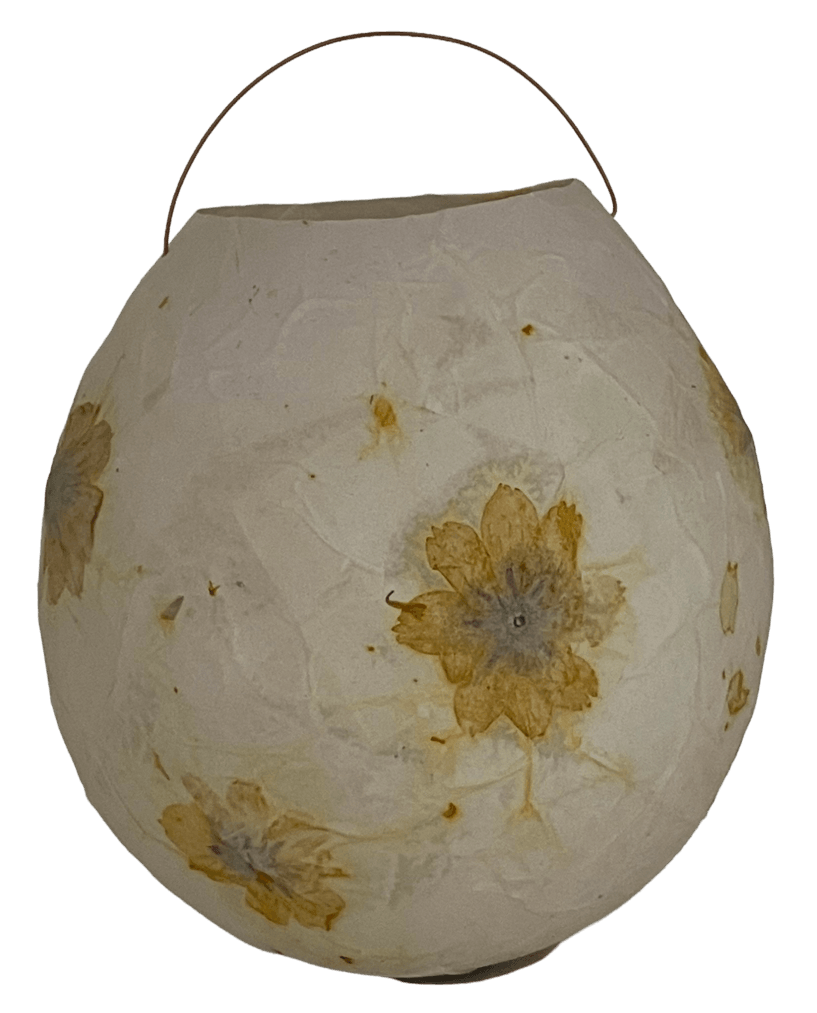
Bring the beauty of autumn indoors! Create a paper lantern using tissue paper, a balloon, and dried flowers. Take home your one-of-a-kind lantern complete with an electric tea light to brighten your space.
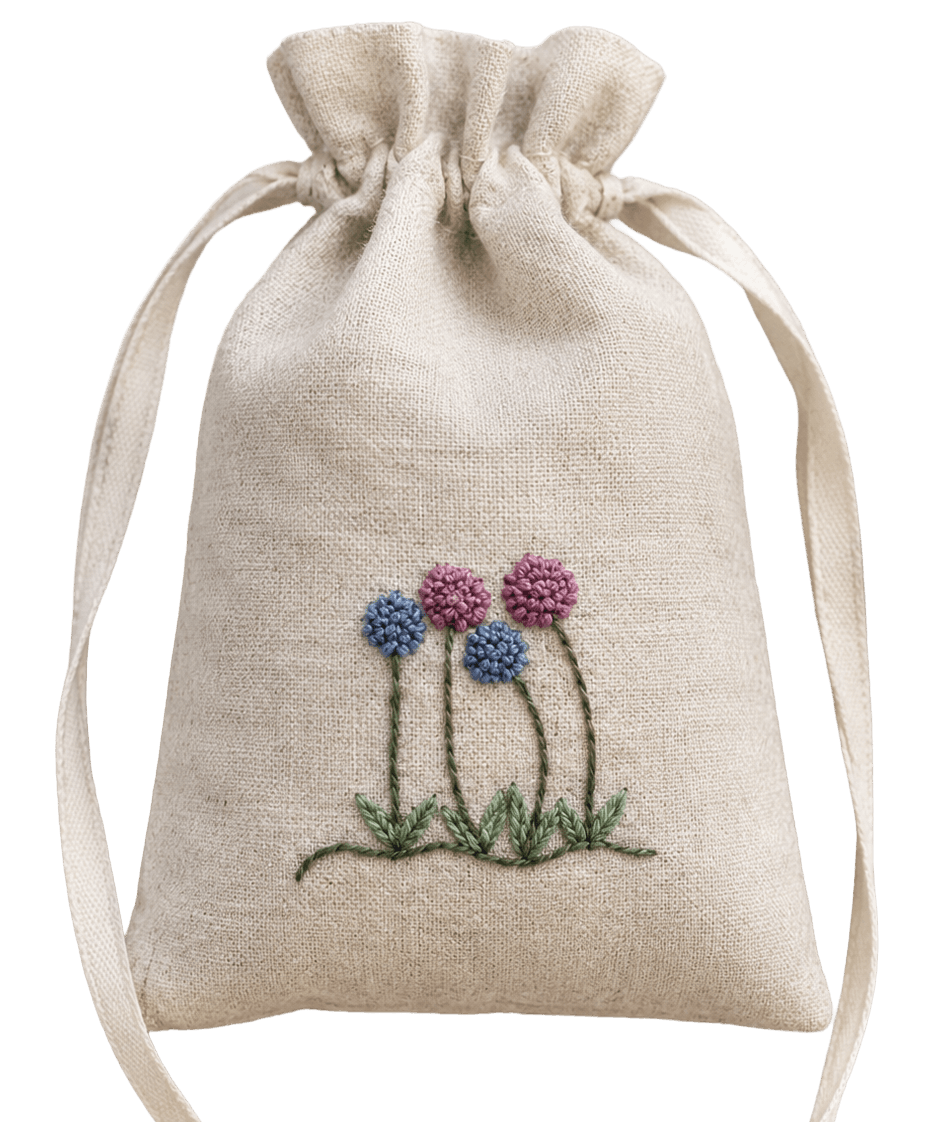
At The Moravian Museum: Make your own Embroidered Herbal Sachet
Explore fragrant herbs and their historical uses as your own herbal sachet inspired by Moravian Care & Cure: Bethlehem Medicine During the Revolution. Add a simple embroidered design to create a unique handmade keepsake to take home.
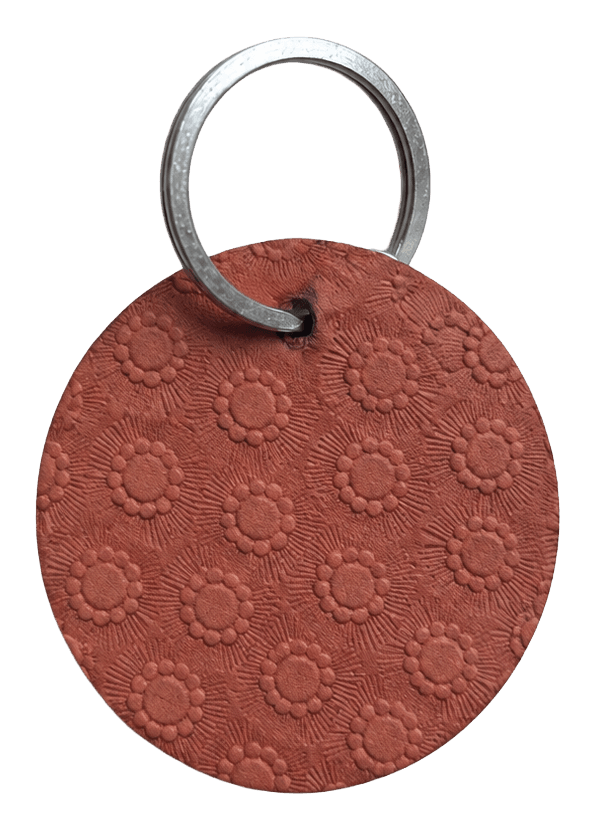
At the Grist Miller’s House: Leather Bookmark/Keychain
In the 18th century, leather was one of the most important materials for everyday life. It was used to make saddles, belts, shoes, bags, and even clothing, making it one of the most versatile products of the colonial era. Leather workers were highly skilled craftspeople who often specialized in making just one item, such as saddles or shoes, and played an important role in their communities. Design and decorate your own leather keychain or bookmark using techniques inspired by 18th-century leatherworking.
At the Kemerer Museum:
Craft information coming soon!
At The Moravian Museum:
Craft information coming soon!
At the Grist Miller’s House: Hand-painted Wooden Ornaments
Woodworkers played many different roles in the 18th century. Wood was one of the most important resources in a colonial settlement, used to build homes and other structures. Skilled cabinetmakers also worked with different types of wood to create furniture, tools, and utensils for everyday life. Many woodworkers decorated their pieces by painting directly on the wood, often adding folk art motifs or elegant designs. Paint your own wooden ornament inspired by historic woodworking traditions.
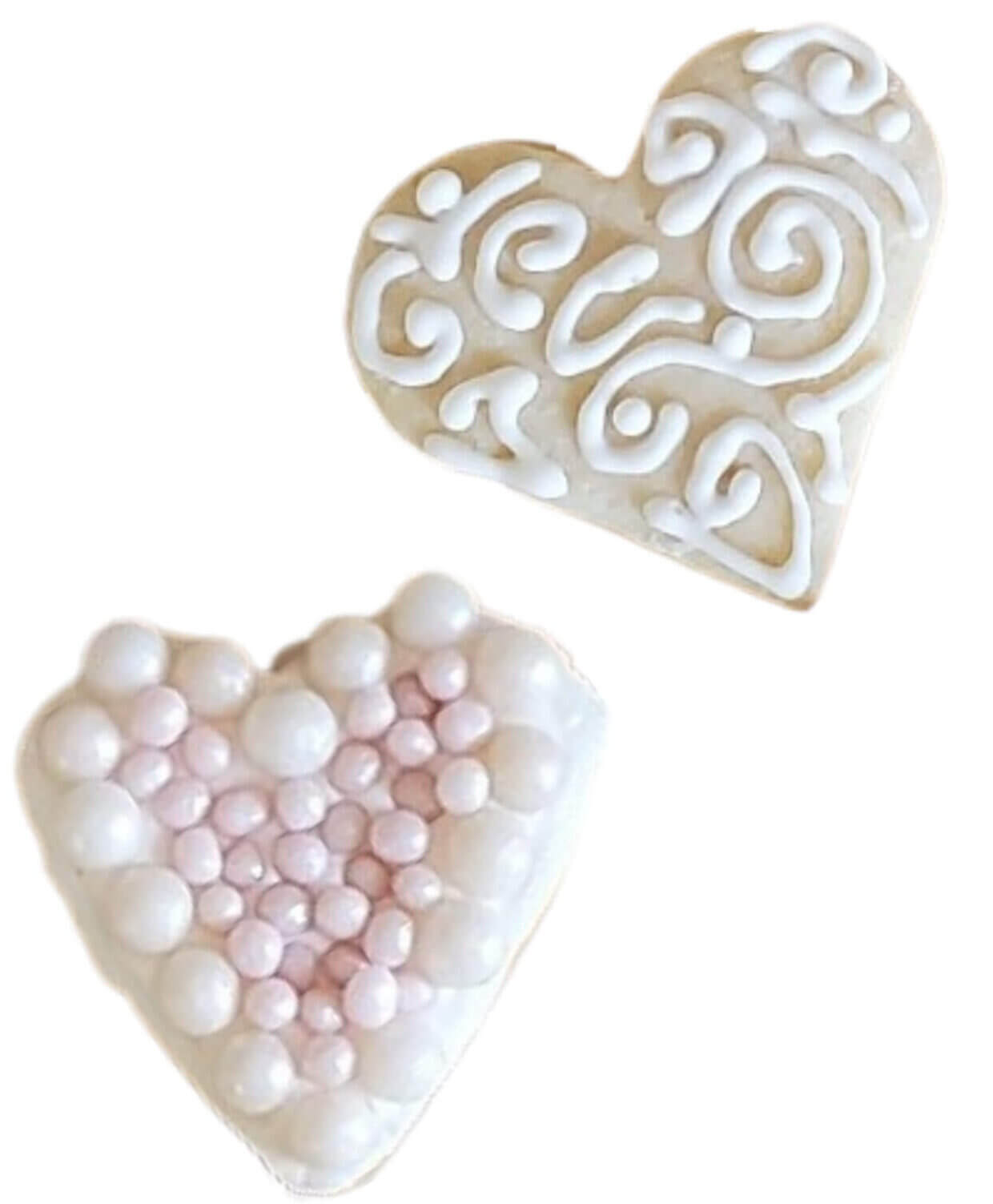
At the Kemerer Museum: Valentine Cookie Decorating
Baking isn’t just about making food – it can be an art form too! Bakers use techniques like shaping dough, adding patterns, or piping designs with icing to create visually stunning treats. Decorate Valentine’s Day themed cookies.
At The Moravian Museum: Paper Casting with Springerle Molds
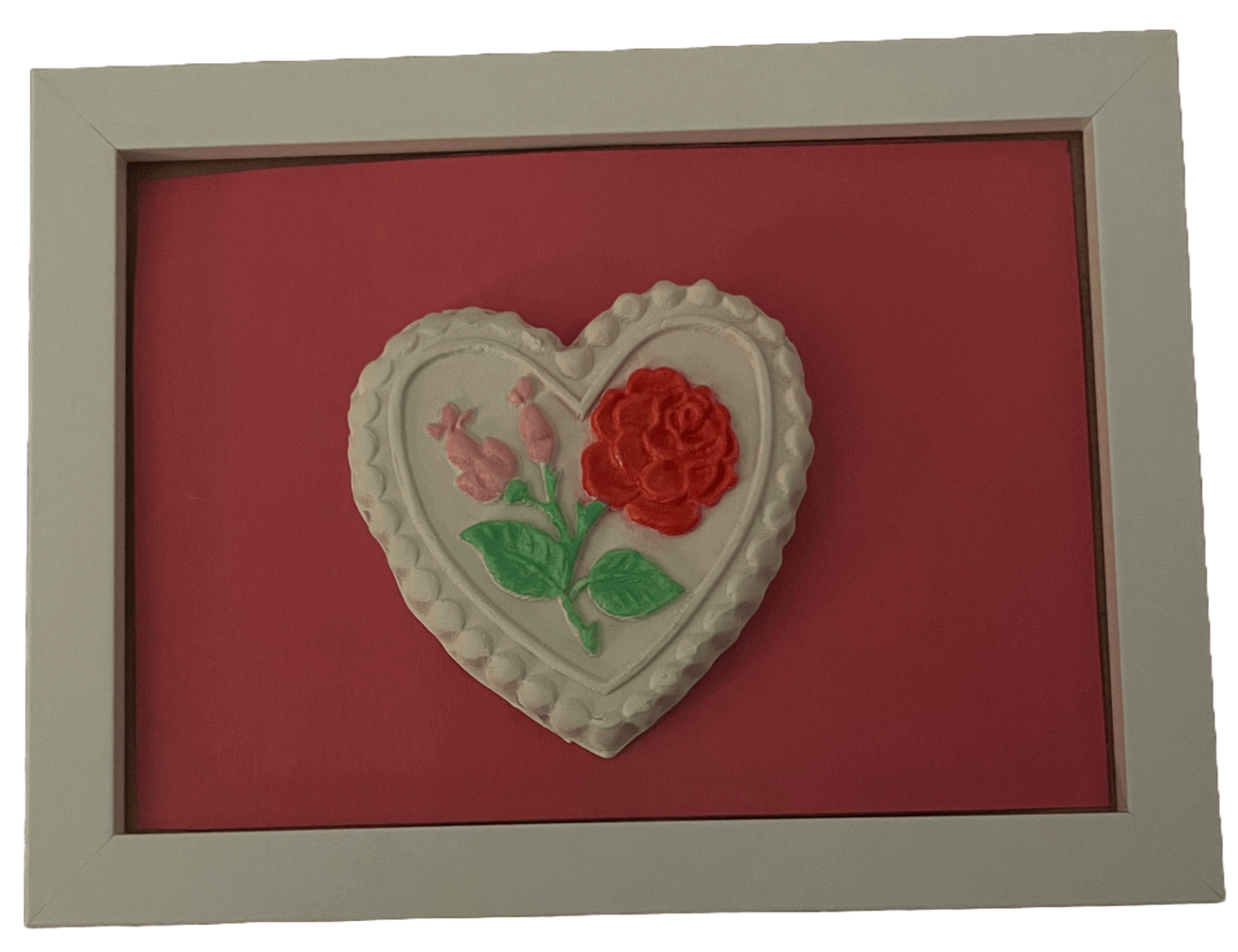
Springerle originated in the 1300s in the German-speaking regions of southern Germany, Switzerland, and Alsace, where elaborately carved wooden molds were used to imprint symbolic images onto festival breads and cookies. This tradition was brought to Colonial America by German-speaking immigrants in the 18th century. Make your own Valentine’s Day-themed springerle mold casting using paper clay!
At the Grist Miller’s House: Block Print Valentine’s Day Cards
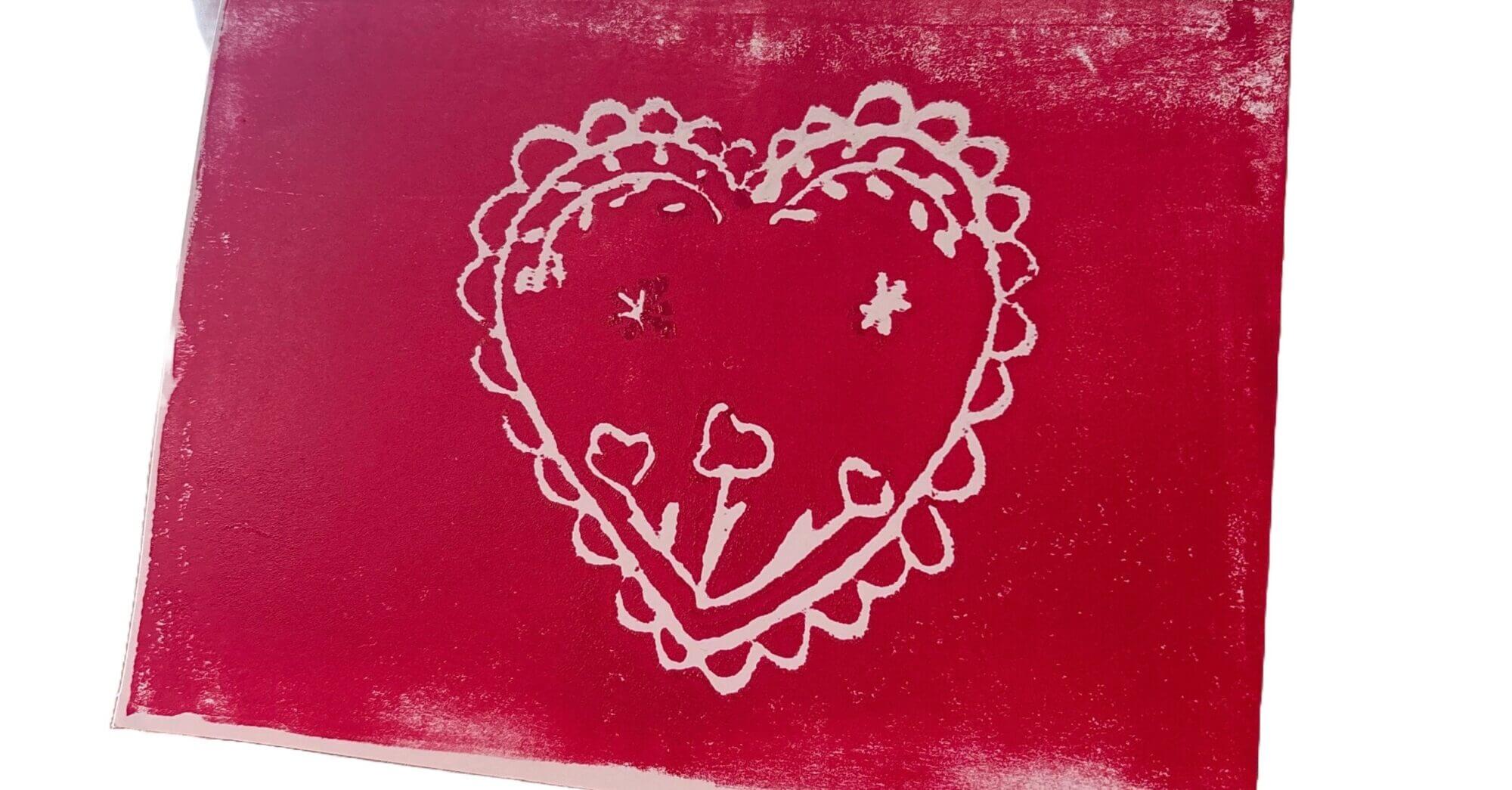
Block printing is one of the oldest printing techniques. Designs are carved into a block – often made of wood or metal in colonial times – and ink is rolled over the raised surface. When the block is pressed onto paper or fabric, the ink transfers, creating a permanent print. This method was used to make maps, artwork, and important documents. Use foam to create your own block designs and print festive Valentine’s Day cards inspired by this historic technique.
At the Kemerer Museum: Make a Baking Junk Journal
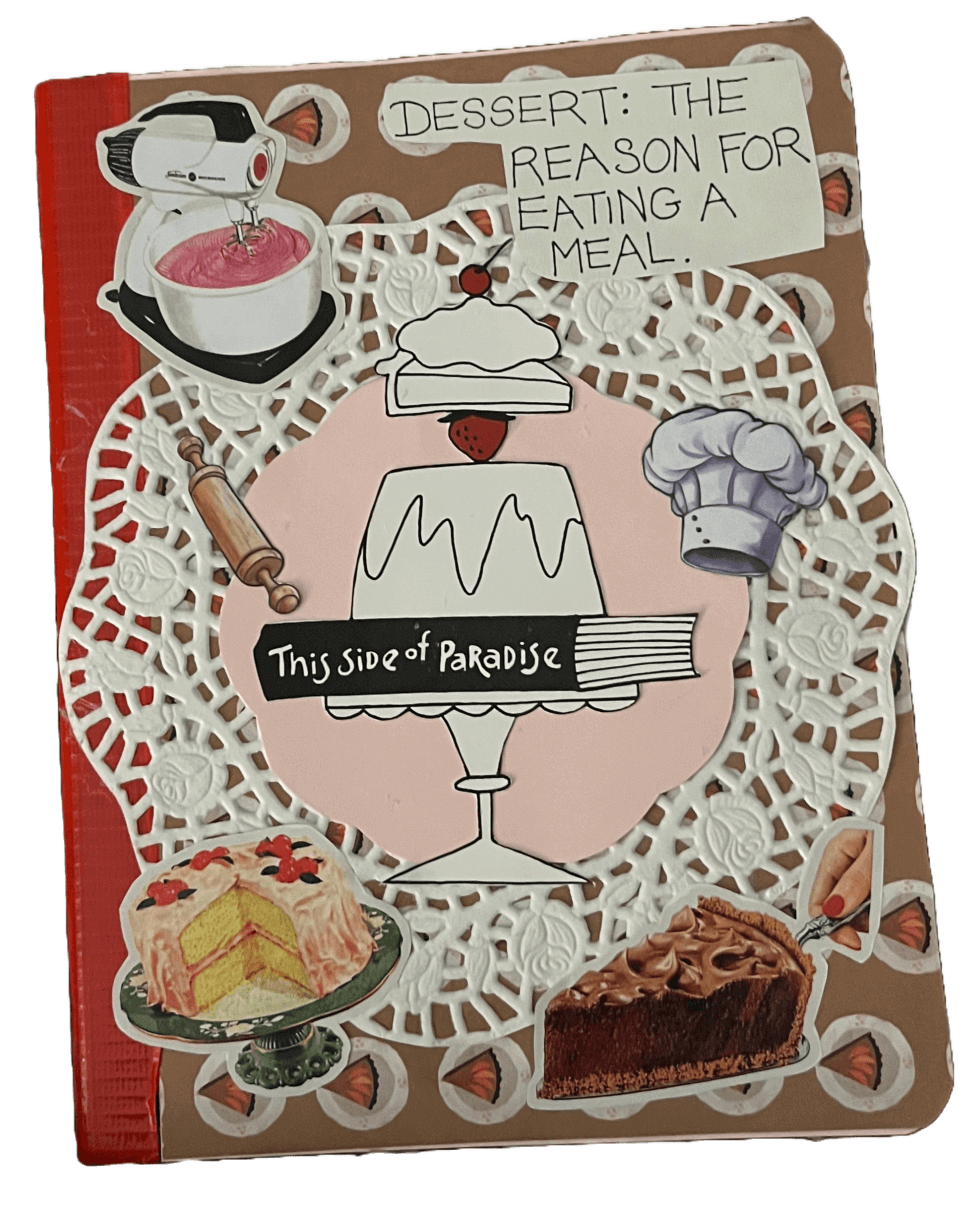
Junk journals are created using a variety of papers and ephemera, or items that might otherwise be thrown away, and are designed to be both functional and decorative. Design your own baking-themed junk journal using cookbook pages, vintage illustrations, fabric scraps, and more!
At The Moravian Museum: Gel Printing Inspired Moravian Sugar Cake
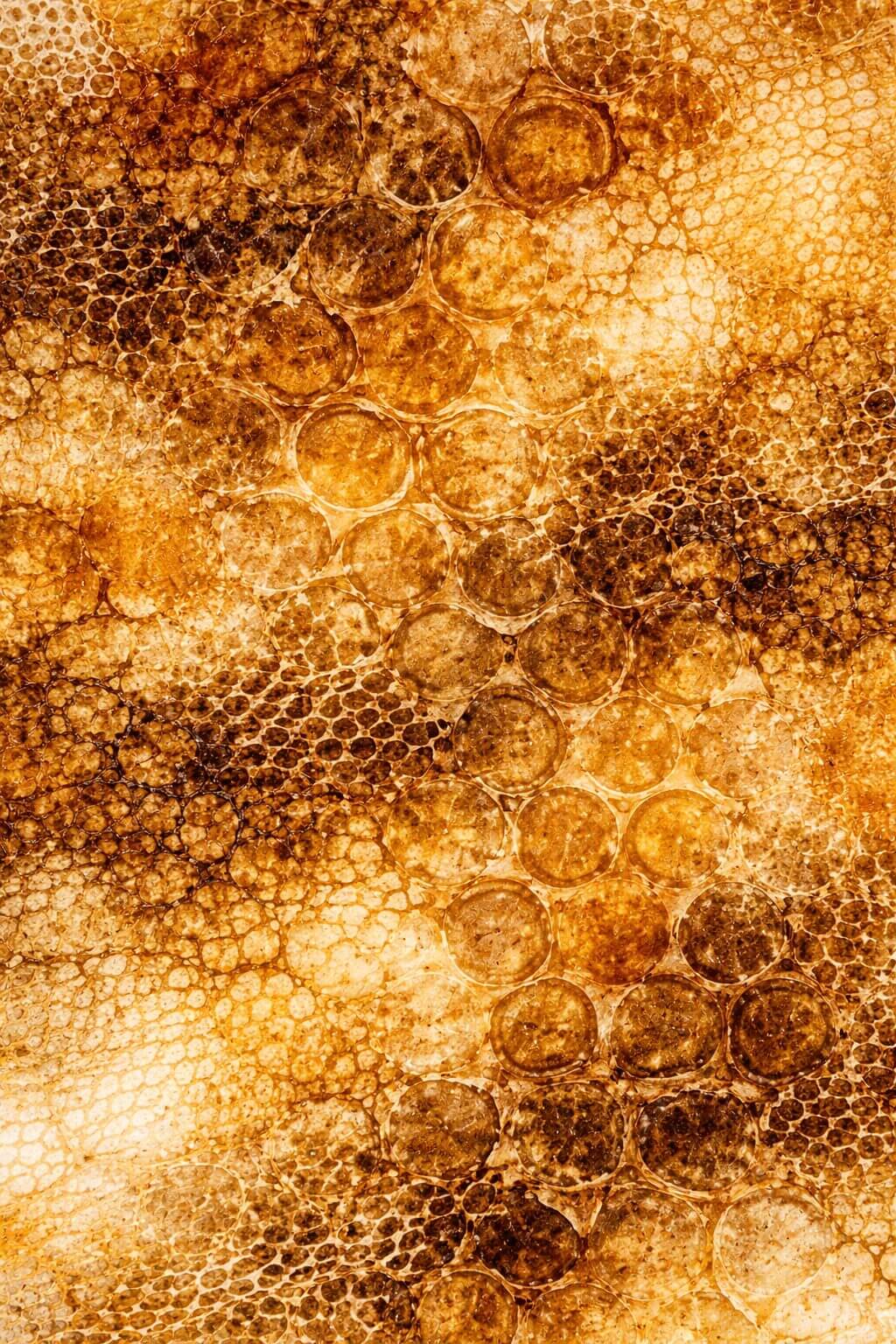
Invented in the 18th century, Moravian Sugar Cake is a sweet treat enjoyed throughout the year, but particularly during the holidays. Make a custom gelli print inspired by the cake’s dimpled surface, buttery texture, and cinnamon sugar swirls!
At the Grist Miller’s House: Slipware Pottery
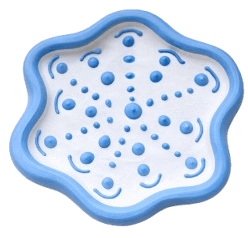
Slip trailing is a pottery decorating technique where thin, liquid clay – sometimes colored – is squeezed or “piped” onto a clay piece before it is fired. This creates raised lines and patterns that add both texture and color. In the 18th and 19th centuries, Pennsylvania German settlers often used slip trailing to decorate everyday items like plates, bowls, and vases. It was an affordable way to make useful objects more beautiful, using simple flowing lines or geometric designs.
At the Kemerer Museum: Baking Tool Printed Tote Bag
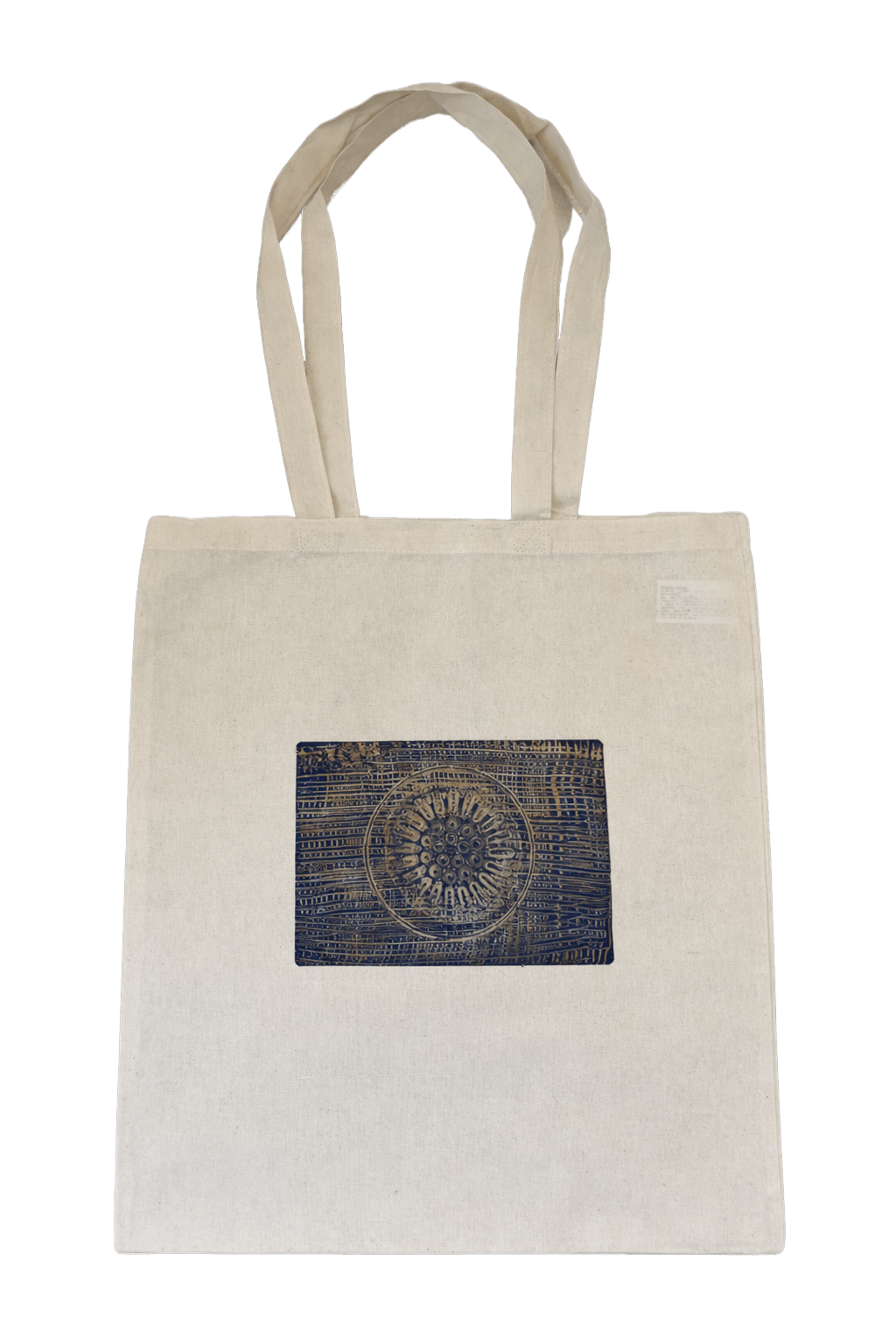
Did you know that you can make prints using objects found at home and in nature? Try your hand at printmaking on a canvas tote bag using baking-related objects like whisks, paper doilies, pastry wheels, and more!
At the Moravian Museum: Make a Keepsake Box
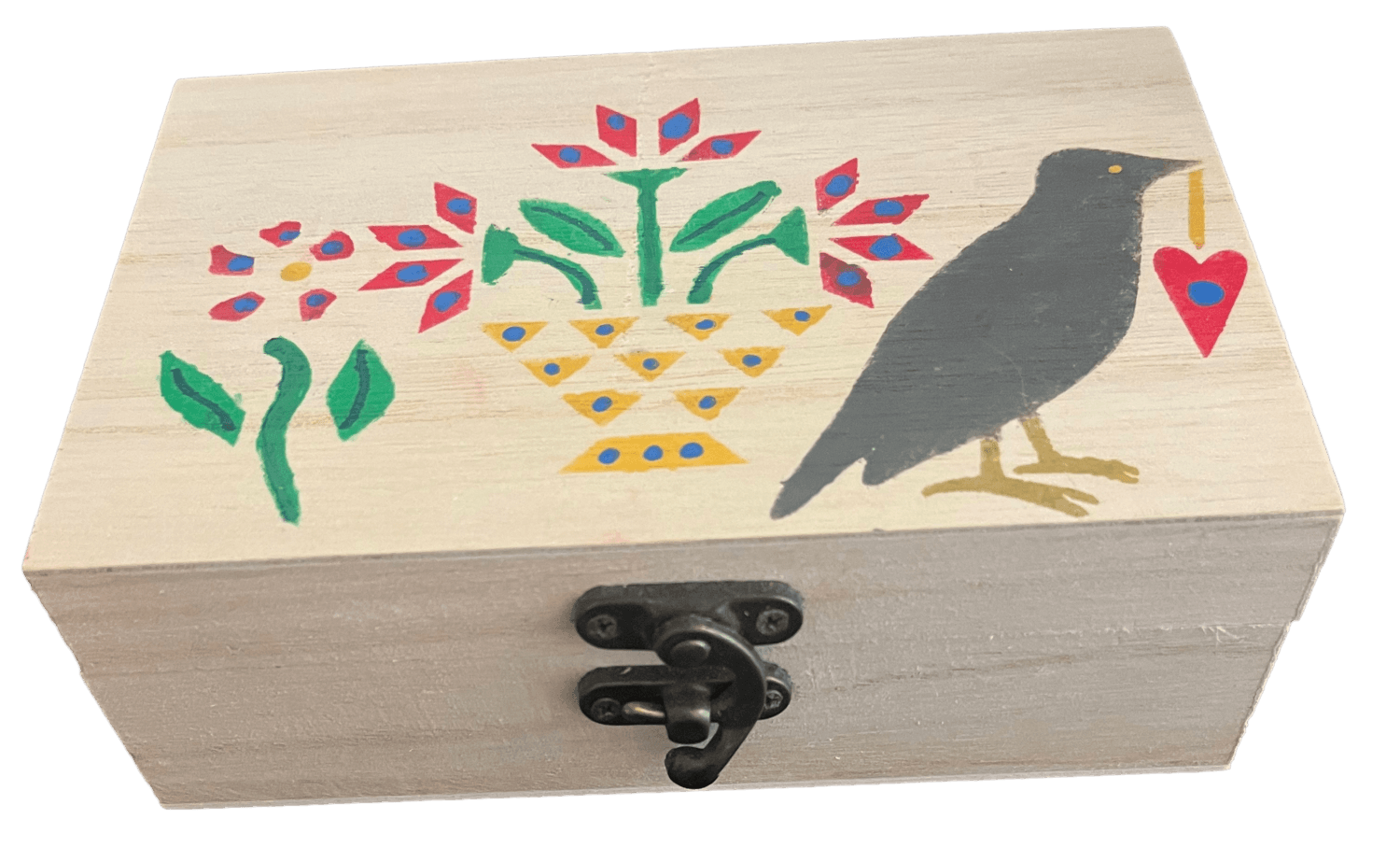
A dower chest is a decorative wooden box used in the 18th and 19th centuries to hold a bride’s personal belongings and family treasures. Pennsylvania Germans often painted these chests bright colors and added designs like flowers, birds, hearts, and horses. Use stencils to decorate a keepsake box to store your own treasures!
At the Grist Miller’s House: Tin Embossed Decorations
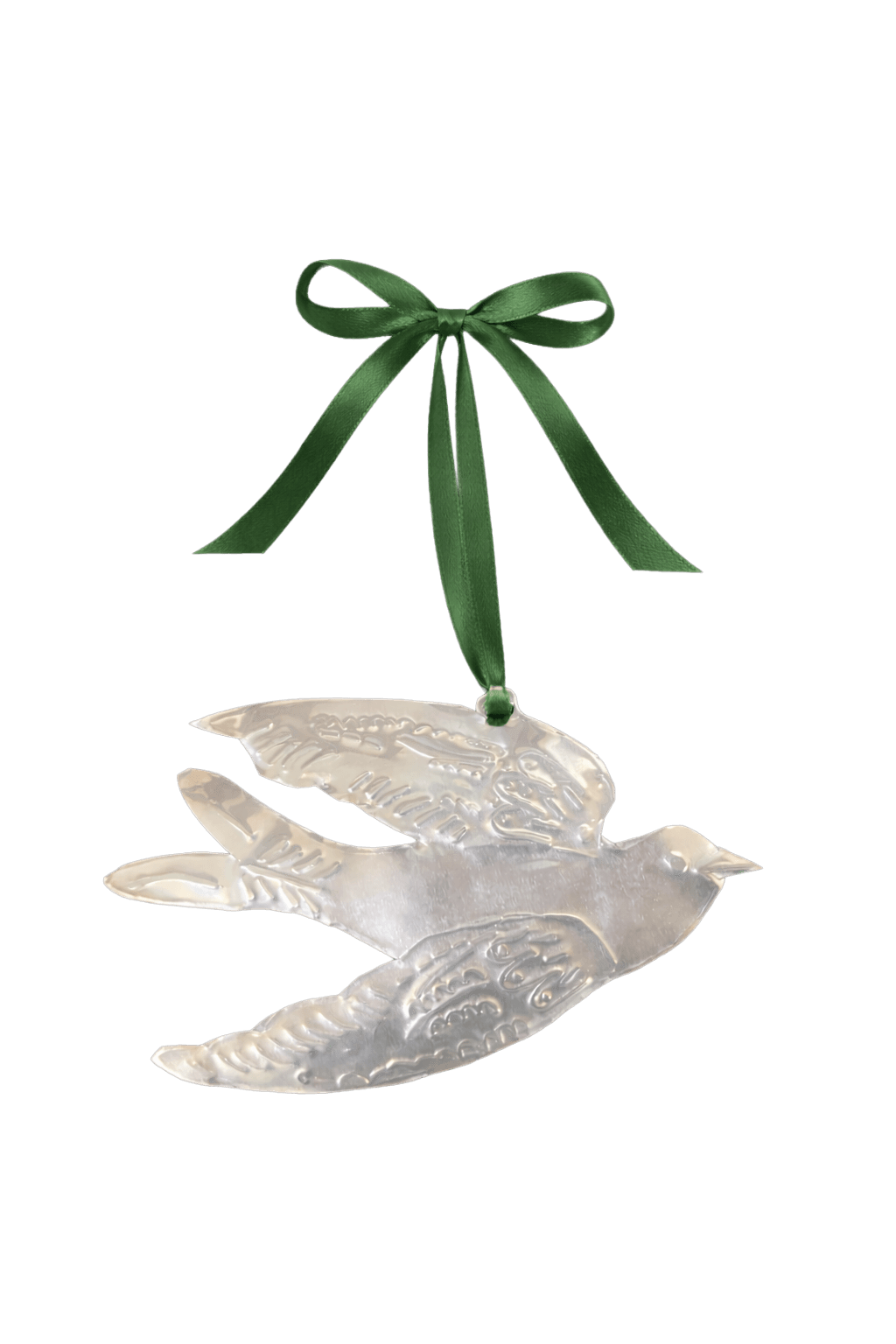
In the 18th century, tin was one of the most important industrial meals. It was valued for being durable, lightweight, and easy to shape, which made it ideal for everyday use. Tin was commonly used to make household items such as plates, utensils, candle molds, and lanterns, and it was a staple in most colonial homes. Tinsmiths decorated tin objects using techniques like tin punching and embossing. These methods created raised patterns on plates or small holes in lanterns so light could shine through in decorative designs. Use a stylus to emboss your own tin decoration inspired by colonial craftsmanship.
At the Kemerer Museum: Mixed-Media Cupcake
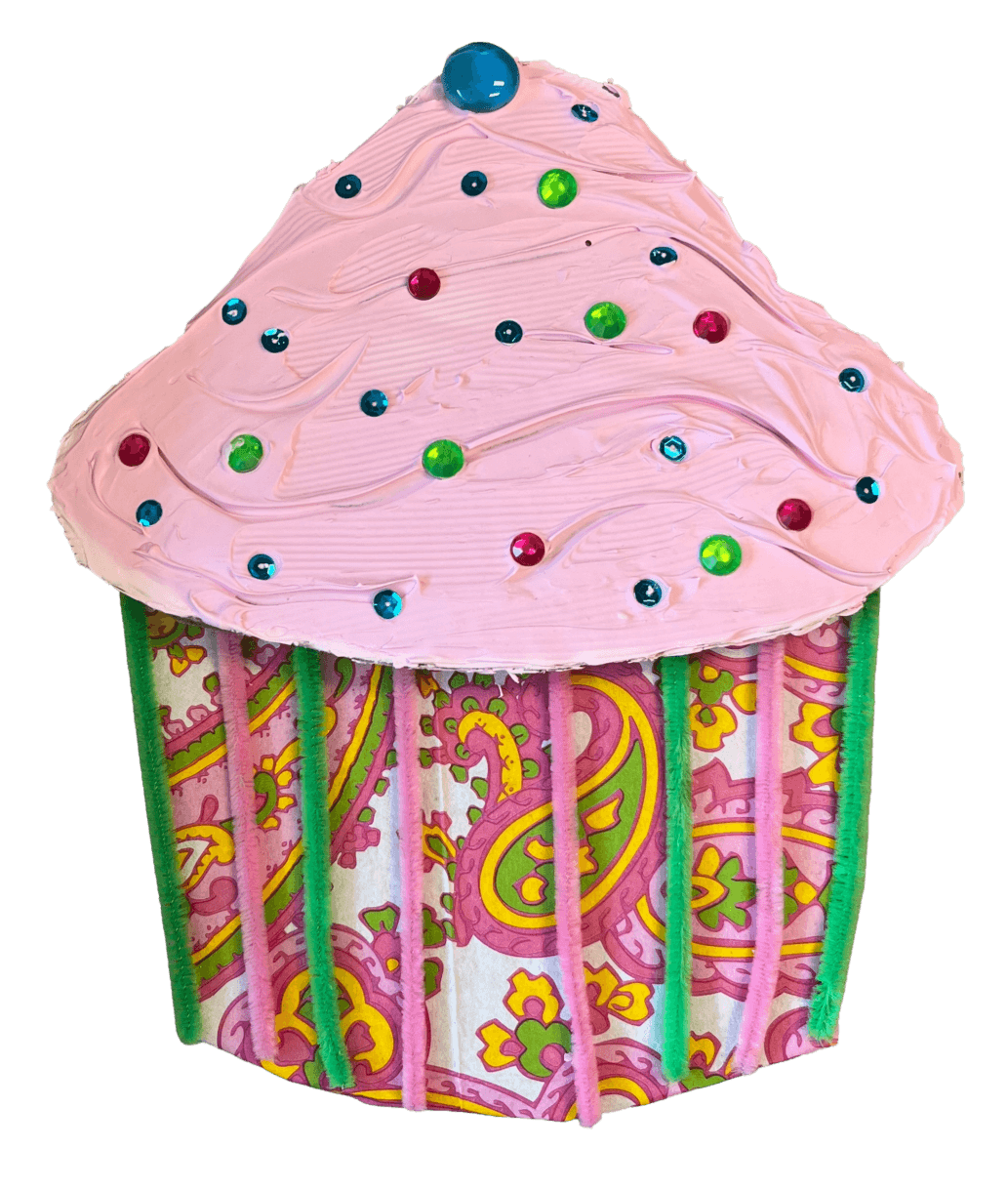
American artist Wayne Thiebaud was best known for his bright and playful images of everyday objects, especially cakes, pies, candies, gumball machines, and other items of American consumer culture. Create a giant mixed-media cardboard cupcake inspired by Thiebaud’s style.
At the Moravian Museum: Wet Felting with Cookie Cutters
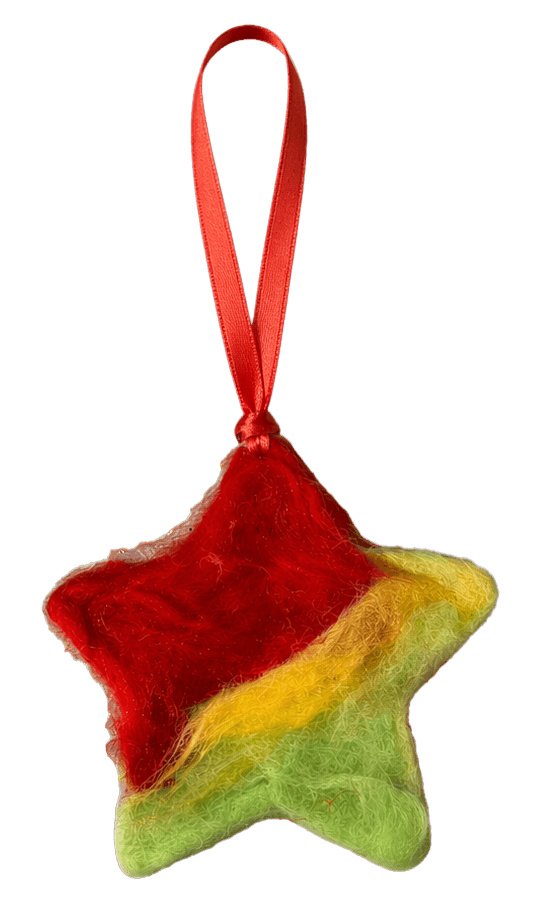
Wet felting is one of the oldest ways people made fabric. It dates back thousands of years, long before weaving or knitting. Nomadic cultures in Central Asia used sheep’s wool to create felt for clothing, blankets, rugs, and even tents (called yurts). Make your own wet felted creations using a variety of cookie cutters!
At the Grist Miller’s House: Natural Dyed Silk Scarves
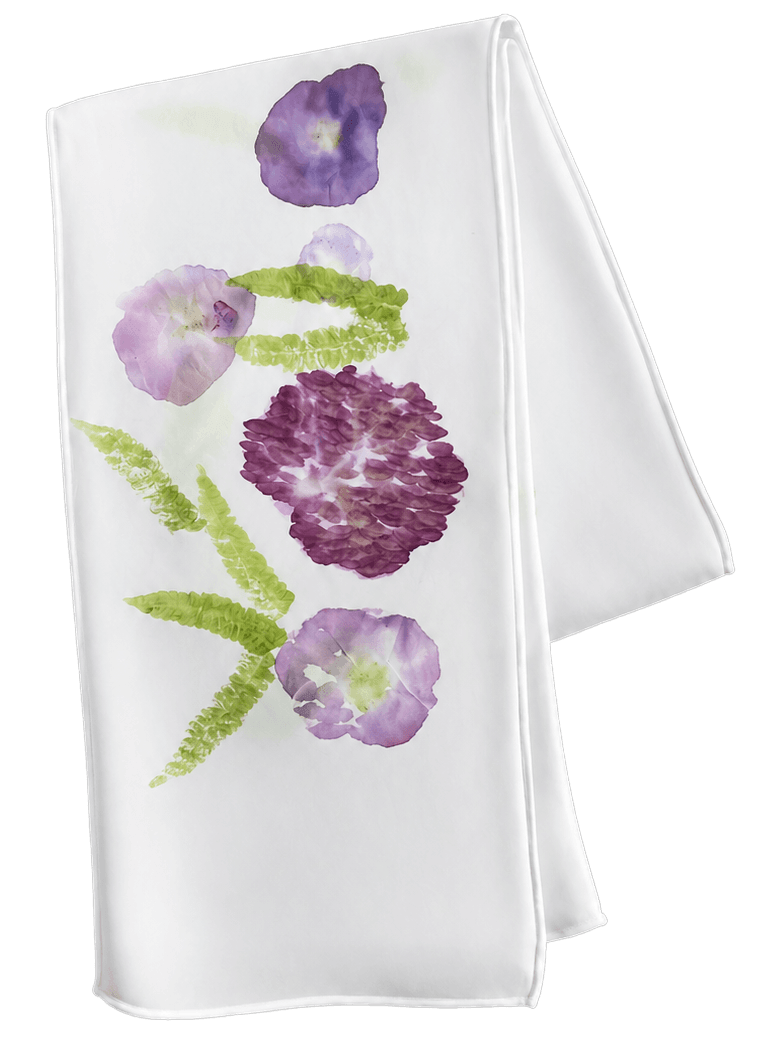
Before synthetic dyes were invented, fabrics were colored using natural dyes made from plants, roots, and trees. The Moravians commonly used plants such as indigo, madder root, and woad to create shades of blue, red, and brown. These dyes were used on natural fibers like cotton, linen, and wool to color clothing and other everyday textiles. Using plants grown right here in Bethlehem, dye your own silk scarf and discover the beautiful colors nature can create.
At the Kemerer Museum: Paper Cutting Still Life
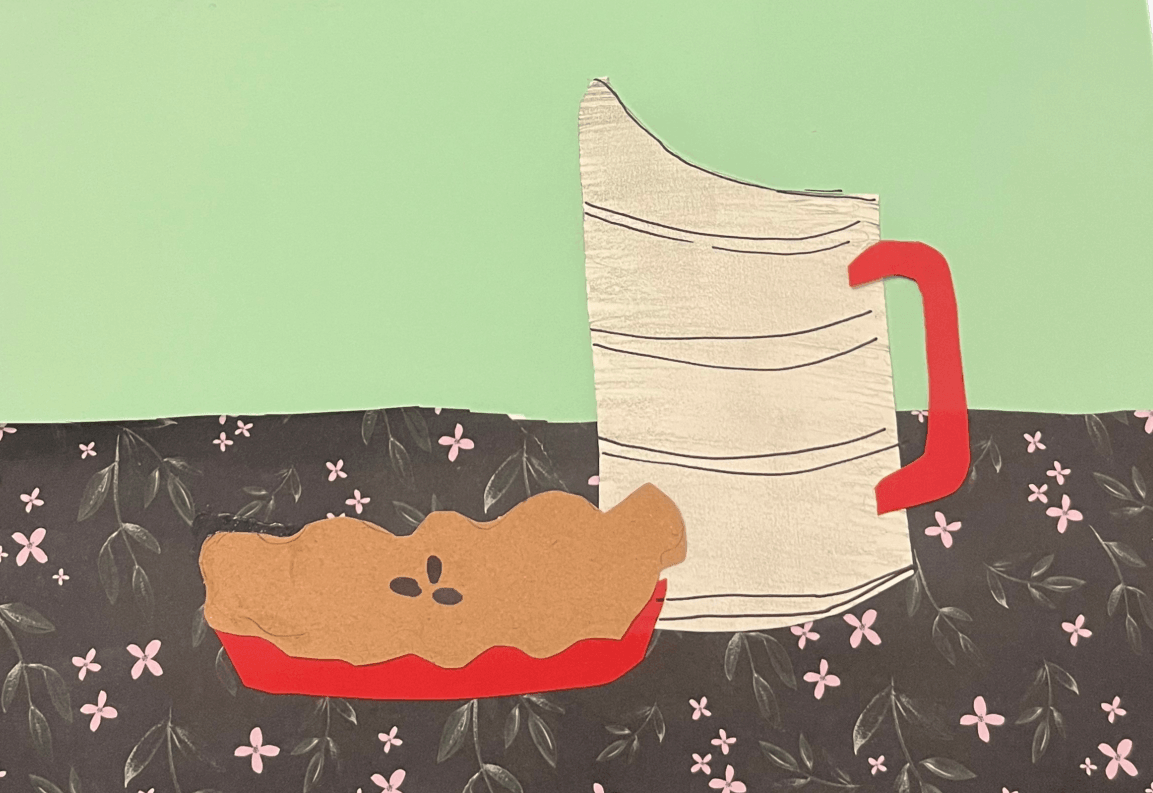
Paper cutting is an art technique that uses cut and layered paper to create intricate designs. Make your own paper cutting still life inspired by the Baked into Bethlehem exhibit!
At the Moravian Museum: Make your own Decorative Paste Paper
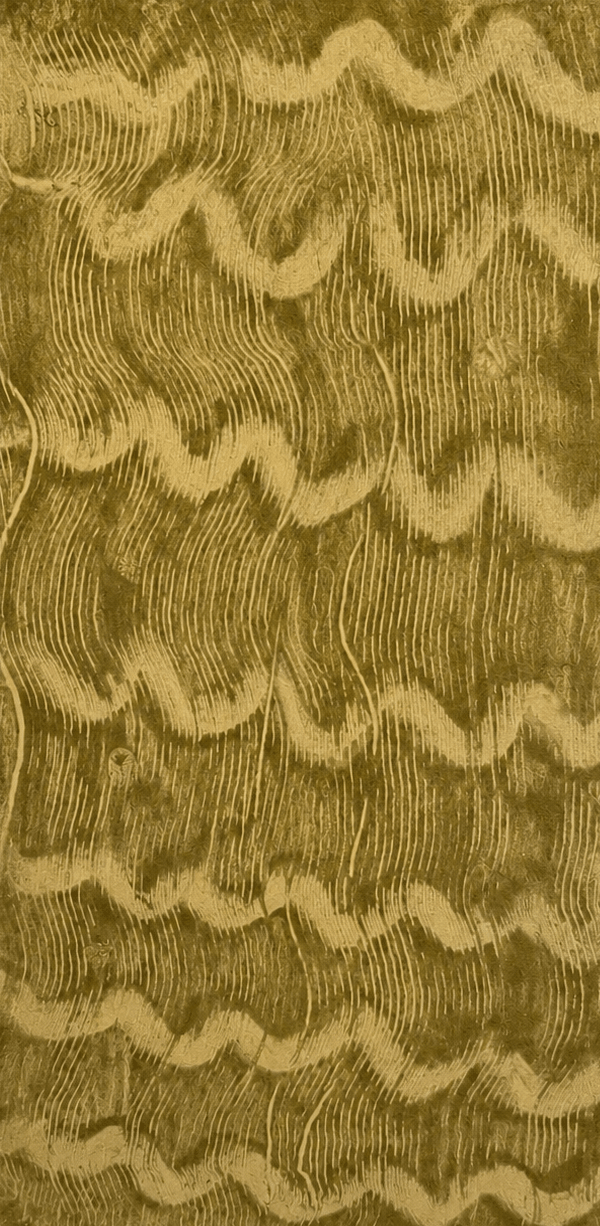
Moravian paste paper features designs created with fingers or basic tools. It started in the workshops of the Moravian religious community located in Herrnhut, Germany. This type of paper was used for the endpapers of books and as covers for account books or sheet music. The tradition is still practiced in Herrnhut today. Create your own paste paper designs!
At the Grist Miller’s House: Weave a Cardboard Basket
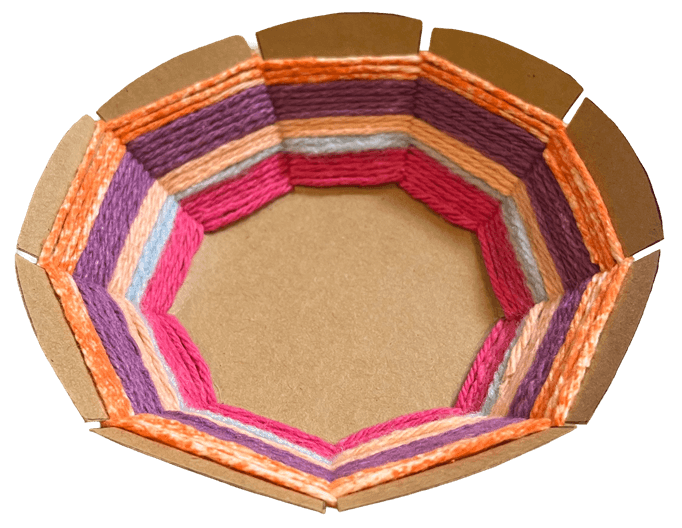
In the 18th century, baskets were essential tools for both households and workers. Because they were so necessary, many communities had professional basketmakers. Baskets were made from long, flexible strips of wood such as willow, birch, or oak, which were tightly woven together. This weaving allowed basketmakers to create baskets in many different shapes, patterns, and heights. Some full-time basket weavers even specialized in making just one type of basket. Use cardboard strips to weave your own miniature basket to take home.
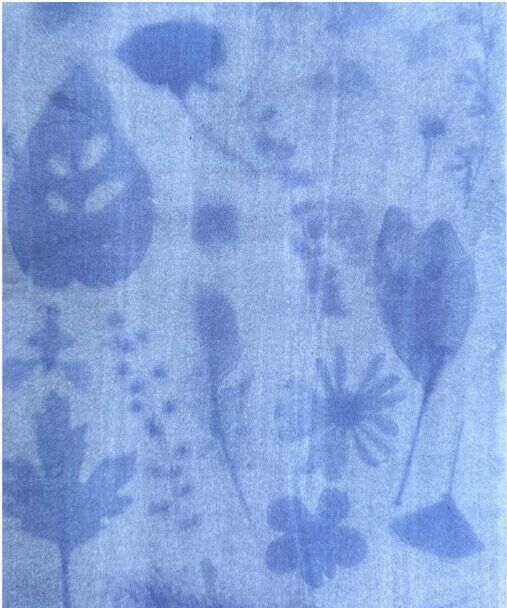
At the Kemerer Museum: Textile Landscape on Canvas
Design a textile landscape on canvas inspired by Wilde Clouds, painted by artist Karol Roberts Gherlach.
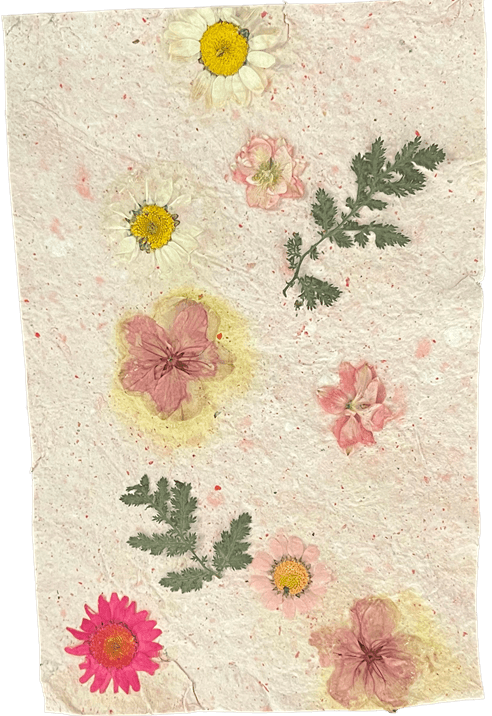
At The Moravian Museum: Papermaking
During the 18th century, paper was often made using linen and cotton rags. Make your own paper using recycled pulp and dried flowers.
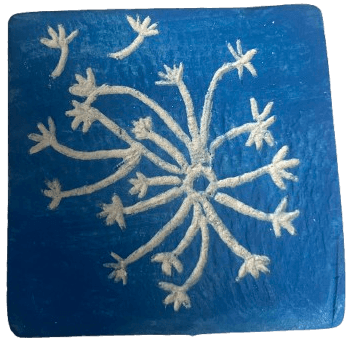
At the Grist Miller’s House: Make a Sgraffito Tile
Sgraffito is a decorative technique where an artist scratches a design into the top layer of glaze, slip, or plaster, so the color or surface underneath shows through. The contrast between the layers makes the pattern easy to see and adds texture to the artwork. Pennsylvania potters commonly used this technique in the 18th and 19th centuries to scratch the expressive designs into their folk-art pottery. Use the sgraffito technique to design your own custom clay tile!
At the Kemerer Museum: Kinusaiga
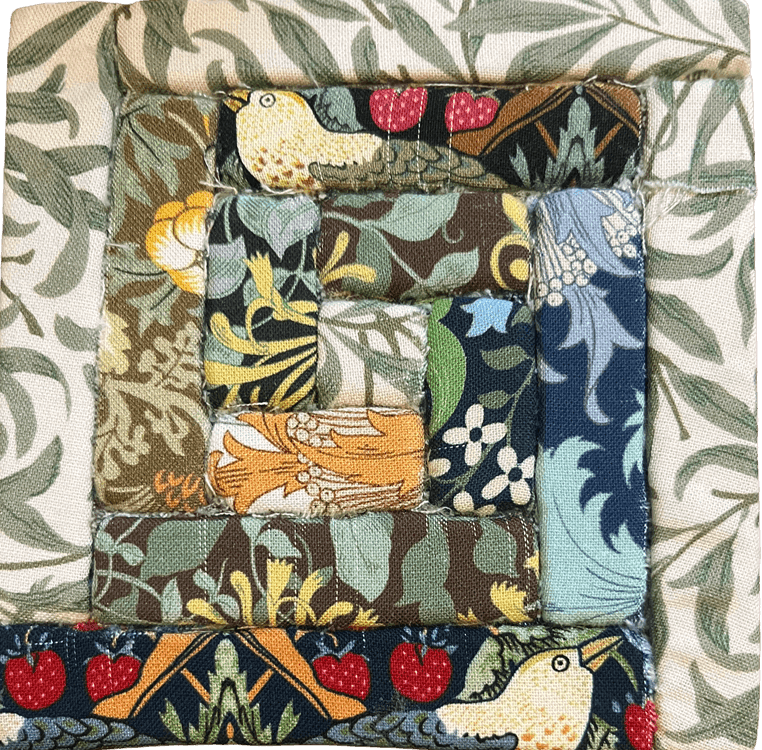
The 1876 Centennial Exhibition introduced Americans to Japanese aesthetics, asymmetry, irregular form, and crazed ceramic glaze. Quilters were inspired to create irregular silk and velvet patchwork, embroidered and painted into parlor showpieces.
Kinusaiga uses small fabric pieces, wrapped around grooved boards and fitted edge to edge, with no needle or glue. Create your own kinusaiga piece inspired by the Victorian-era crazy quilts in the collection.
At The Moravian Museum: Delftware-Inspired Tile
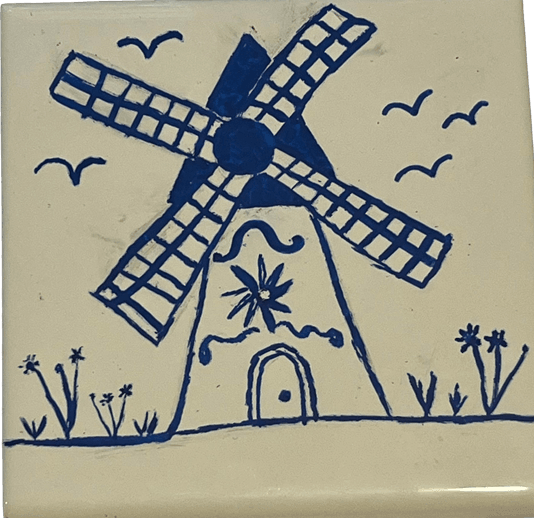
Originating in the Netherlandic city of Delft, delftware was produced in many European countries, including England. A type of tin-glazed earthenware with distinctive blue and white decoration, delftware was particularly popular during the 17th and 18th centuries. Design your own Delftware-inspired tile.
At the Grist Miller’s House: Soap Making
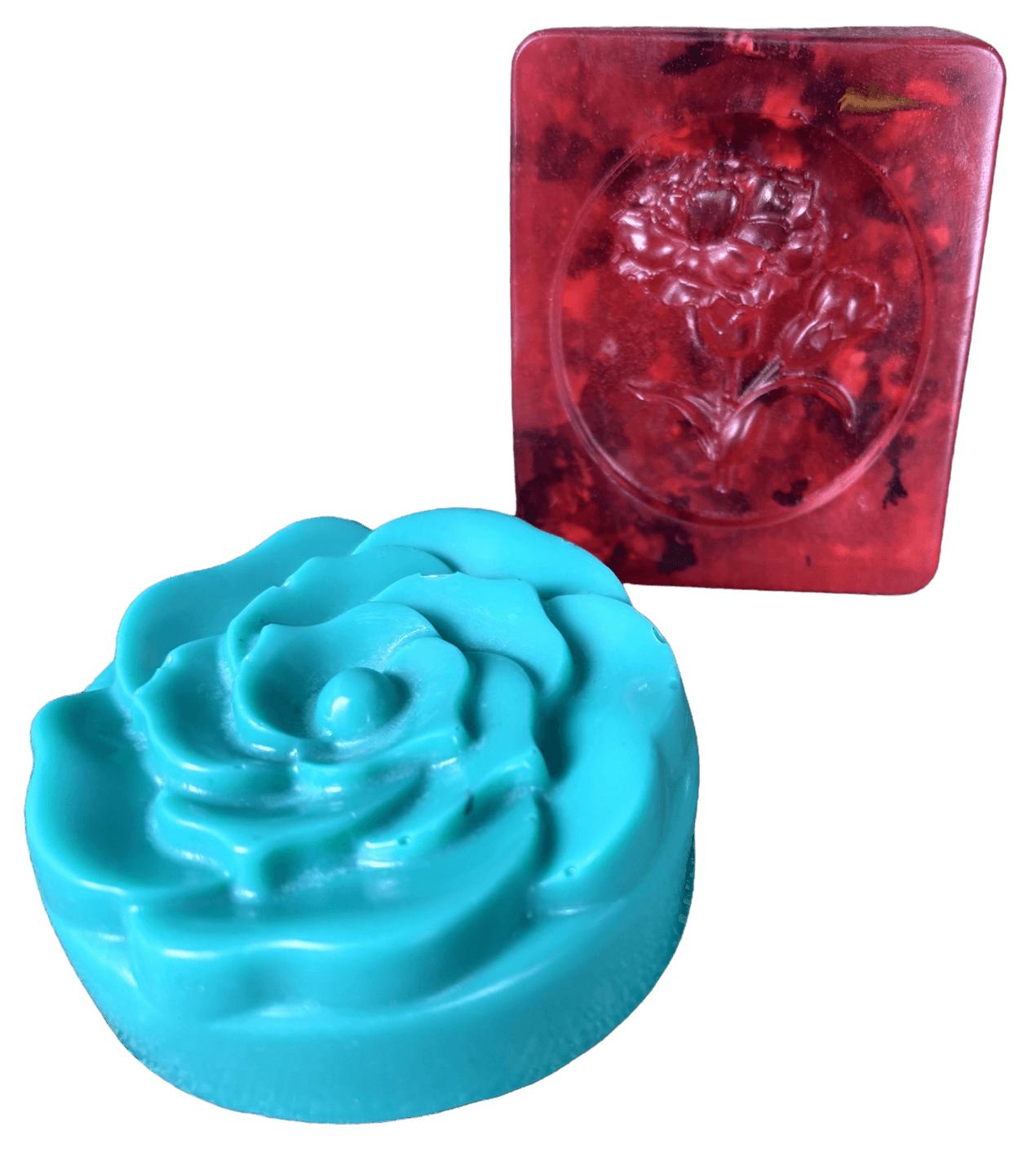
In the 18th century, many people made their own soap at home, but communities like Bethlehem also had full-time soap makers who produced soap for others to buy. Colonial soap was made by boiling lye water with vegetable or animal fats and then letting the mixture cool and harden. This soap was very harsh and was mainly used for washing clothes and cleaning household items. Using modern, safe materials, create your own homemade soap to take home with you.
66 West Church Street
Bethlehem, Pennsylvania 18018
427 North New Street
Bethlehem, Pennsylvania 18018
If you are planning on booking experiences over multiple dates, please make sure to click add to cart before changing your dates for other experiences.
 Finding Experiences...





Translate the Historic Bethlehem Museums & Sites website into your language of choice!